Sale Sharks have agreed a deal to sign Welsh international prop Tomas Francis (W 05-08) on a two-year deal from the start of the 2026/27 season.
York-born Tomas began his career at Malton and North RFC, before being snapped up as a 19-year-old by Doncaster Knights. He spent a year at Castle Park before switching to London Scottish, and then on to Exeter Chiefs, where he made 120 appearances and was a key part of the side that won the Prem and Champions Cup double in 2020. He switched South West England for Swansea in 2021 and made 27 appearances for the Ospreys before moving to France in 2023 to play for Provence.
On the international scene, Tomas made his Wales debut in 2015 and has gone on to win 77 caps, playing in three World Cups. He was a part of the last Welsh team to win a Six Nations Grand Slam in 2019.
Sharks Director of Rugby Alex Sanderson said: “Tom’s got a huge amount of experience. He’s got almost 80 caps but he’s got the ambition and drive to play in another World Cup.”
Read the full story HERE.With over 1,300 grape varieties in the world, only a handful dominate our glasses. James Ratcliffe of The Black Bull looks beyond the familiar to champion a few of wine’s overlooked “Godforsaken Grapes” — distinctive varieties well worth discovering:
It might surprise you to know that the world of wine consists of well over 1300 varieties of grapes. So why is it then that only seven of those are considered to be what are known as ‘noble grapes,’ and it’s only 20 in total that make up nearly 80% of the world’s production?
Italy alone has 590 recorded varieties. Jason Wilson, in his brilliant book of the same name, coins the phrase for these out of favour wines as “Godforsaken Grapes.’ Documenting his travels around the world, learning about each of these lesser-known heroes of wine. So, I hear you ask what’s wrong with these so-called Godforsaken Grapes?
Is it that they don’t produce the same quality of wine as the 20 favourites? Of course, they do, many in some cases are even better, but as with many things involving modern-day marketing, we just don’t get exposed to them in the way we should be.
Which is why I’ve decided to briefly touch on a couple of varieties that I’d certainly recommend that you explore for yourself.
I’ll start with one of my favourite grapes, Blaufränkisch, possibly not one of the most obscure grapes, but certainly one that doesn’t command as much attention as it should.
Blaufränkisch is its Austrian name, but it’s also named Kékfrankos in Hungary, Lemberger in Germany, and Franconia in Italy. It’s also often known as the ‘Pinot Noir of the East,’ and until recently, it was considered almost the same grape. It’s certainly a great alternative to Pinot Noir, but it also has its own unique flavour profile. Condensed, thick, rich black fruit, spice and pepper, and a good boisterous acidity. Some naturally produced wines can have a slightly ‘green’ leafy flavour with a unique tartness, which personally I’ve begun to crave. However, like Pinot Noir, it can be used to produce some rounded, well-structured wines that can age well.
Going slightly further East, Hárslevelú is a grape variety mainly grown in Hungary, but also in Austria and Slovakia. Hungary was once one of the greatest wine producers in the world, and certainly, in recent years, more great wine is now being produced. Furmint, once a forgotten grape too, has become more prominent in recent years, once known as the grape in sweet Tokaji but now championing dry wines too. Hárslevelú produces rich and full-bodied white wines with a distinct honeyed character with notes of stone fruit, orange blossom, and a hint of spice. It’s a versatile wine that can be paired with a variety of foods, great with fish, it can handle some spice and good with lighter meats. Interestingly, it also has an unusually high number of female producers.
Sticking with the tongue twisters, Aglianico (alli-yawn-nico) is a lesser-known Italian grape that produces some great wine. Produced mainly in Basilicata and Campania, it’s rare to find it on most wine lists or on the supermarket shelf. The grape produces beautiful full-bodied wines, young wines known for savoury flavours, leather, pepper, dark black fruits, smoked meats, and cured sausage. With time to develop, dried fig, aged balsamic and suntanned leather start to appear. For those loving rustic, full-bodied wines, Aglianico is a perfect choice. It’s also used in rosé and white blends, too.
Finally, for now, looking at an under-the-radar region of France, Savoie and one of its lesser-known grape varieties, Altesse. It yields small harvests and ripens late, but it produces generous, full-bodied wines which some compare to the afore-mentioned Furmint. It can produce wine that offers an alternative to Loire Chenin Blanc or Savagnin from Jura. Wines that have more weight and spice to many, but are still lifted, fresh and elegant at the same time. You can find it in still, sweet, and sparkling wines, so its versatility is very apparent, and it ages beautifully. Flavours include exotic fruits, velvet honey, mountain herbs, bergamot, and hazelnut. It really captures the alpine climate it’s grown in.
This really is just a tiny snapshot of a couple of the lesser-known grapes available to us. If anything, they’re just a start, and I encourage you to explore further. We know the grapes we already know and still love can produce some great wines, but by not exploring beyond them, we do risk losing some. Luckily, the wine world is changing; mass-produced wines are still popular, but with an increased awareness of providence, people are becoming increasingly supportive of small producers and their lesser-known grapes. I will come back to this topic several times during this column, and hopefully you’ll find something you like.
The Black Bull OS Duncan Berry (SH 85-91) has been Chairman of The Old Sedberghian Club since January 2023. With a long-standing connection to the School, including his father authoring the history of The Wilson Run and at least four generations of his family linked to Sedbergh, we caught up with him to find out what inspired him to take on the role.What do you value most about the Old Sedberghian Club and its community?
There’s nothing quite like attending an OS event and reconnecting with friends and familiar faces. The stories are retold, often becoming more embellished as the years go by, which is all part of the fun.
One of the things I particularly enjoy is catching up with those who were several years above me at school, older pupils of whom you might have been slightly in awe. Years later, you find yourselves sharing stories over a drink or two as equals. That sense of shared experience fosters a strong connection.
Looking back, what were the highlights of Sedbergh’s 500th anniversary year for you?
The OS Club dinner at Lord’s Cricket Ground was truly fantastic. Having previously been there as a spectator, it felt incredibly special to enjoy a wonderful meal in the Long Room: a beautiful, historic space with amazing views over the pitch, and an exclusive area you wouldn’t ordinarily have the opportunity to spend time in.
The Christmas Carol Service at York Minster was also spectacular. Listening to the choir and soloists in such magnificent surroundings genuinely gave me goosebumps. Having so many people connected to Sedbergh gathered together beneath the cathedral vaults, surrounded by beautiful music performed by our current pupils, was magical.
What events or initiatives are you most looking forward to in 2026?
The Rugby Dinner at The Victory Services Club in London on 26th March promises to be a great evening, with some of the sport’s true giants sharing their unique insight and conversation (Will Carling, Abbie Ward, Phil Dowson and John Spencer among other big names!). The event is selling fast so book now if you haven’t already. We hope this event will also inspire a strong turnout to support the School at the Rosslyn Park National Schools Sevens finals the following day.The Wilson Run is always another standout annual event. It’s always fantastic to see so many OS and parents returning to tackle the course in whatever way they can. The sheer number of people taking part now is incredible – the sight of the course alive with runners on a crisp morning is very special.
What do you find most fulfilling about your role?
What I find most rewarding is seeing the growing number of Old Sedberghians, across all generations, engaging with the Club and attending the events so thoughtfully organised throughout the year.
It’s particularly gratifying to hear from those who haven’t returned to Sedbergh for many years — sometimes not since they left — and who say after an event that they won’t leave it so long next time. That renewed connection to the School and to each other is exactly what the Club is about.Sedbergh School is delighted to welcome OS Ella Bowen (R 18-20) back to campus as the newest member of the Netball Coaching Team — a homecoming that celebrates both her personal journey and the strength of Sedbergh’s sporting community. Ella’s return marks a special moment for the School. Having developed her early netball career at Sedbergh, she now steps back onto the courts not as a pupil, but as a coach focused on building the future of Sedbergh netball.
“I’m super excited to be joining Sedbergh’s coaching team!” Ella said. “It’s a special place with such a strong sporting culture, and it’s so great to be coming back as an OS and giving back to the school that played such an important role in shaping the early stages of my netball career.”
Her appointment reflects Sedbergh’s ongoing commitment to excellence in sport and to nurturing talent at every level. As an OS, Ella embodies the School’s ethos of determination, resilience and community — qualities that have long defined its sporting tradition.
Megan Ascough, Head of Netball, highlighted the impact Ella is expected to have across the programme: “Ella will bring a wealth of experience and knowledge to our netball programme here at Sedbergh but also inspire girls from all age groups to challenge themselves and show what they can be capable of.”
Director of Sport Jen Malings echoed this enthusiasm: “I’m delighted to have Ella join Sedbergh’s Netball Coaching Team. She brings enthusiasm and knowledge to the court as a coach and is an excellent role model for our pupils, being an Old Sedberghian herself.”
As well as enhancing the netball programme, Ella’s return illustrates the continuity between Sedbergh and those who have passed through the School.
As the School continues to celebrate its rich heritage and look confidently to the future, welcoming back former pupils who are eager to contribute to its community is a testament to the enduring spirit of Sedbergh.
Welcome home, Ella!Looking for fresh ideas to elevate your cooking and explore great flavours? Check out the Nigel Barden blog on nigelbarden.com!
Nigel (P 72-77) has combined a long career at BBC Radio with numerous TV appearances. He broadcast with Simon Mayo and Chris Evans on their BBC Radio 2 Drivetime show for 12 years and now presents the DrivetimeShow on Greatest Hits Radio. He is the longest standing contributor to BBC Radio London (since 1990), with the last 25 years on the Robert Elms Show. Nigel is also a BBC rugby commentator, hosts live consumer events and food festivals, is a restaurant critic and a food and drink industry compère.
From mouth-watering recipes from his Greatest Hits Radio cookery slot to insider tips on sourcing the best ingredients, Nigel shares a feast of content every week on his blog. You’ll find dishes he’s “reviewed, cooked, eaten and enjoyed,” all with his signature passion for quality produce and flavour.
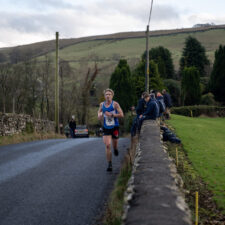
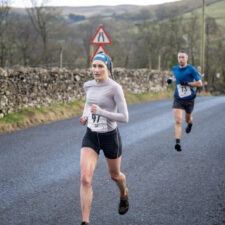
Whether you’re a seasoned home cook or just looking for inspiration, there’s something tasty waiting for you.The Symonds run took place on the 17th January and once again there was a large field of runners from across the School – staff, guests, parents and OS. In all there were 419 finishers completing the Morgan run course. This year a Stonyhurst alumni team also joined the event for the first time, and hopefully they will be able return in future years. They certainly seemed to enjoy the day. Thanks must also go to Richard Wells and his team for organising the event. It is certainly much appreciated by the OS team and all who took part.
The course on the day was very wet underfoot but the weather remained dry.
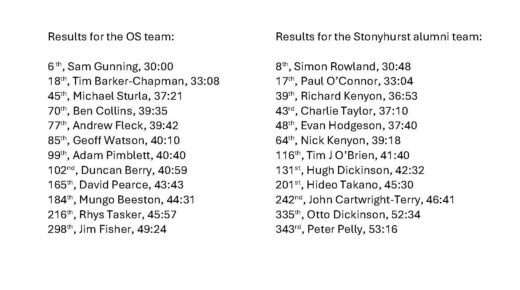
First place this year went to Ben Harrison of the staff team finishing in a time of 27:40. He was followed home by Hugo Berry in 28:00 for the School VIII. Sam Gunning was first counter for the OS team finishing 6th in 30:00 with Simon Rowland first counter for the Stonyhurst team in 8th place(30:48). In the ladies field Lydia Barker-Chapman was first placed and guest runner in 31:22 (10th), whilst Lucia Connell finished first counter in the girls VIII in 31:46 (12th).
It was also good to see members of the Symonds family take part in the race once again in memory of Hugh. Joe Symonds was unable to join the OS team due to illness, but Pauline Symonds, Amy Manning (nee Symonds), Steve Manning and Oliver Manning all took part, spanning three generations.
The team results showed a strong performance from the School boys VIII who closed their team at 24th place. They took 1st team with 71 points ahead of the staff on 138. The guest’s team were 3rd with the Stonyhurst alumni team 4th. The School girls VIII put in a strong performance for 5th and the OS team came home 6th, edging one point ahead of Winder House.
The overall results can be viewed HERE.
Sam Gunning
Lydia Barker-Chapman
Many thanks to all who turned out to support the team at the Symonds Run this year. There are more fixtures later in the year for anyone who may wish to join the team:
Alumni race: Wimbledon Common (Sept)
Possible race at Stonyhurst (Nov)
Review by Geoff Watson (E 89-94)Sedbergh School’s new Headmaster, Robin Pyper, has officially passed his first (and arguably most important!) test: being interviewed by a Prep School pupil.
In a charming video, Robin takes on a role far removed from assemblies and strategy meetings, answering thoughtful (and occasionally disarming) questions from one of Sedbergh’s youngest journalists. The result is an interview that is equal parts insightful and delightful, reminding us all that the toughest questions do not always come from governing bodies.
The interview offers a refreshing glimpse of Sedbergh life through young eyes—and suggests that the School’s future is in very safe hands, especially if the Prep pupils are already holding the Headmaster to account.
Proof, if it were ever needed, that at Sedbergh, every voice matters—no matter how young the interviewer!
Watch the interview in the video below:
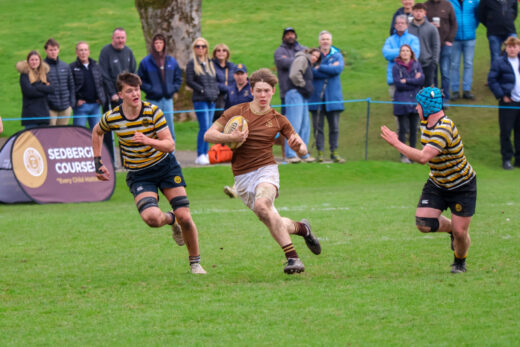
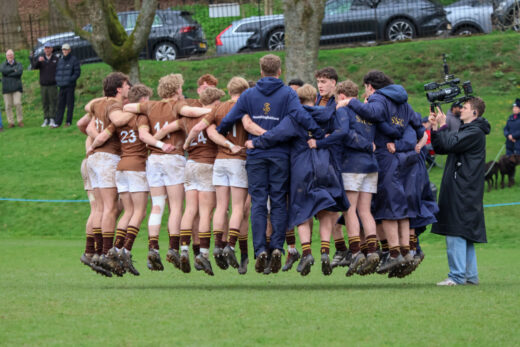
From the 28th to 30th March, Sedbergh School will once again host one of the most anticipated fixtures in the rugby calendar: the Sedbergh 10s. A longstanding Sedbergh tradition, the tournament promises two days of high-quality rugby and fierce competition, set within the unique atmosphere and hospitality that Sedbergh School offers.
Teams will arrive on Saturday afternoon, 28th March, before two full days of action on Sunday 29th March and Monday 30th March. This year’s event is set to be our biggest yet, with the competition expanding from the usual 16 teams to 18 schools, reflecting the growing national reputation of the Sedbergh 10s.
We are delighted to welcome a strong field of visiting schools, including:
Barnard Castle School, Brighton College, Cokethorpe, Dulwich College, Hampton School, Felsted College, Hurstpierpoint, Ipswich School, Seaford College, King’s School Macclesfield, RGS Worcester, Kirkham Grammar School, QEGS Wakefield, The Royal Grammar School High Wycombe, King Edward’s School Bath, Stamford School, Millfield — alongside, of course, Sedbergh School!
We look forward to welcoming players, staff, parents and the OS community back to Sedbergh to support the next generation and to be part of another memorable chapter in the story of the Sedbergh 10s.
Stuart Oliver, Sedbergh School Assistant Head – Co-Curricular, took 11 Old Sedberghians out to Kenya, where they lived and worked at Restart Africa, an orphanage located in Gilgil, around three hours north of Nairobi. What followed was an experience that was both humbling and rewarding for everyone involved.
During their time at Restart Africa, the OS quickly forged bonds with the children in the community. The connections made, the shared laughter and the everyday moments captured in the accompanying video speak volumes about the impact of the trip — and the memories formed will undoubtedly last a lifetime.
The group travelled with more than 270kg of gifts, toys, and essential supplies, all of which were donated directly to the children at Restart Africa. In addition, the OS organised and led a series of trips for the children, offering them new experiences, excitement, and joy outside of their daily routines.
Beyond the orphanage, the group was also able to support the wider local community. Food packages were provided to 50 local families, each containing enough supplies to feed a large family for several days — a simple but vital contribution that made an immediate difference.
The journey was about far more than what was given materially. It was about shared experiences, mutual learning and gaining perspective in a fascinating country. For those involved, it was an opportunity to serve, to reflect and to reconnect with Sedbergh’s values in a global context.
Watch the video below to see some amazing moments of this trip.
As England stepped into the 2026 T20 World Cup, captain Harry Brook (W 13-17) emphasised a renewed focus on responsibility, growth, and the fundamentals of his game.
Brook has led England with a mixture of resilience and clarity. His team entered the tournament in good form, buoyed by a strong run of T20 performances and a convincing 3–0 series victory over Sri Lanka. Teammates publicly rallied around their captain, backing him “100 percent” and praising the unity within the squad. Brook’s own batting, including a dynamic half‑century against Nepal, served as a timely reminder of his ability to shift the narrative back to cricket.
England’s opening match against Nepal demonstrated the competitive edge Brook brings to the tournament. His composed 53 helped set up England’s total of 184, forming a crucial partnership with Jacob Bethell. After the narrow four‑run victory, Brook praised Nepal’s spirited performance, acknowledging the pressure they placed on England and their bold approach—particularly in their aggressive batting against Adil Rashid. It was, by Brook’s own admission, a stern test and a reminder of how demanding World Cup cricket can be.
That early examination ultimately proved a springboard. England built momentum through the group stage, and has now secured their place in the Super 8 round of the tournament.
For Brook, the T20 World Cup represents not only an opportunity for England to challenge for another global title, but also a chance for personal reset—a way to let his cricket “do the talking”. With England’s confidence growing and his leadership maturing, Brook’s journey through this tournament may well define the next chapter of his already remarkable career.




 The overall results can be viewed HERE.