




There are 460 names upon the walls of the Cloisters with a further 12 upon the South African War memorial. In every age in the last 500 years Sedberghians, whether former pupils or staff, have served their country. Aside from those who perished many were left physically or emotionally scarred by the conflicts in which they fought. This is often overlooked but in many cases the sacrifice was great and which impacted upon their future lives.
Many showed great leadership. Many went beyond the call of duty. The Victoria Cross Memorial records the exploits of four Sedberghians who were awarded the Victoria Cross. These were:
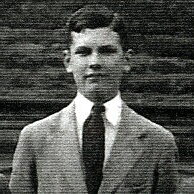
Flying Officer K. Campbell VC
22 Squadron Coastal Command, Royal Air Force
Sedgwick 1931 – 1935
VC awarded for action at Brest Harbour on 6th April 1941 when Flying Officer Campbell attacked the German battle-cruiser Gneisenau. He flew his Bristol Beaufort through the gauntlet of concentrated anti-aircraft fire from about 1000 weapons of all calibres and launched a torpedo at a height of 50 feet (15 m). The ship was severely damaged below the waterline and was obliged to return to the dock for six months of repairs. Campbell and his crew were killed when their aircraft was shot down and crashed into the harbour wall.
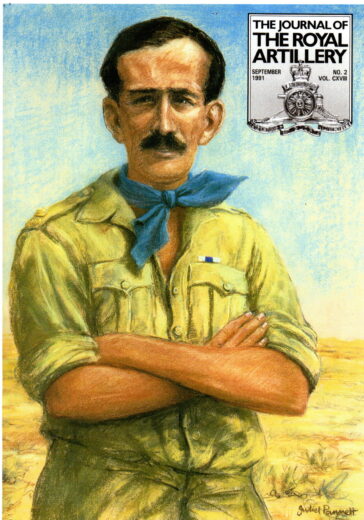
Second-Lieutenant G W Gunn
3rd Royal Horse Artillery
Sedgwick 1926 – 1930
VC awarded for action in the Western Desert on 21st Nov 1941. At Sidi Rezegh, Libya, an attack by 60 German tanks was countered by four anti-tank guns under the command of Second Lieutenant Gunn. During the engagement this officer drove from gun to gun in an unarmoured vehicle, encouraging his men, and when three of his guns were destroyed and the crew of the fourth, except the sergeant, were all dead or disabled, he took charge of this remaining weapon, the portee of which was alight. There was danger of the flames exploding the ammunition with which the portee was loaded, but he managed to fire 50 rounds from the QF 2 pounder gun and set two enemy tanks on fire before he himself was killed by being shot through the head.
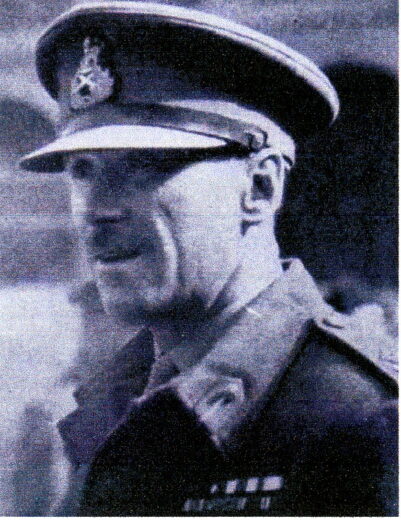
Brigadier J C Campbell VC, DSO, MC
4th Regimental Royal Horse Artillery
Evans 1907 – 1912
VC awarded for action in the Western Desert on 21st and 22nd Nov 1941. On 21 November 1941 the 7th Support Group were attacked by te two armoured divisions of the Afrika Korps. The British tanks suffered heavy losses but prevented the Germans taking the airfield. Brigadier Campbell’s small force, holding important ground, was repeatedly attacked and wherever the fighting was hardest he was to be seen either on foot, in his open car or astride a tank. The next day, under intensified enemy attacks, he was again in the forefront, encouraging his troops and personally controlling the fire of his batteries – he twice manned a gun himself to replace casualties. During the final attack, although wounded, he refused to be evacuated. His leadership resulted in heavy casualties inflicted on the enemy, and did much to maintain the fighting spirit of his men.
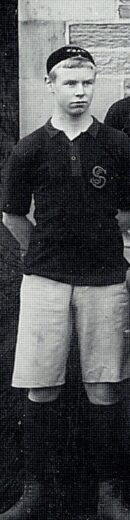
Lieutenant R J T Digby-Jones VC
23rd Field Company, Corps of Royal Engineers
Sedgwick 1890 – 1893
VC awarded for action at Ladysmith, South Africa on 6 January 1899. On 6 January 1900 during the attack on Wagon Hill, Ladysmith, South Africa, Lieutenant Digby-Jones and a trooper (Herman Albrecht) of the Imperial Light Horse, led the force which re-occupied the top of the hill at a critical moment, just as the three foremost attacking Boers reached it. The leader was shot by Lieutenant Digby-Jones and the two others by the trooper. Digby-Jones was killed in the attack.